
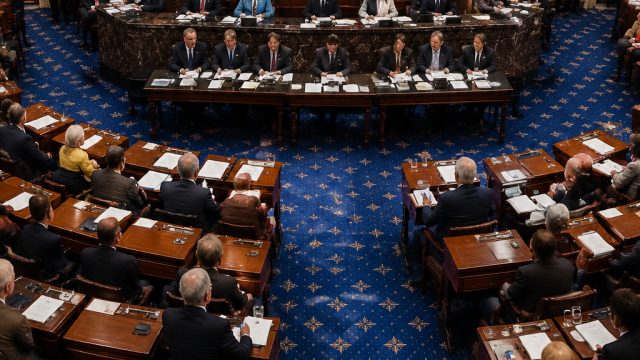
US Senate Takes Historic Step to Curb Presidential War Powers
In a significant display of legislative authority, the United States Senate has recently passed a resolution that seeks to restrict the war powers of the executive branch, specifically targeting actions pertaining to military engagements in Iran. This development holds considerable implications for the balance of power between Congress and the presidency, making it a timely topic of discussion as tensions in the Middle East remain high.
The Resolution's Key Provisions
Passed with bipartisan support, the resolution largely aims to ensure that any military action against Iran is conducted with Congressional approval. This legislative move is seen as a necessary step to prevent unauthorized military conflicts and encourages a more collaborative approach to matters of national security. Here are some of the main elements included in the resolution:
- Mandates that the President must seek Congressional authorization before engaging in military action against Iran.
- Requires regular reporting to Congress on military operations related to Iran.
- Emphasizes the importance of diplomacy and negotiations over military force.
Context of the Resolution
This resolution can be viewed in light of escalating tensions between the United States and Iran over recent years. Following the assassination of Iranian General Qasem Soleimani in 2020, many lawmakers expressed concerns regarding the unilateral military decisions made by the Trump administration. Critics argued that such actions could lead to unintended consequences, potentially dragging the U.S. into a prolonged conflict.
Why This Matters Now
With the current geopolitical landscape being particularly volatile, this resolution is more than just a symbolic gesture; it represents a critical moment in U.S. legislative history. The timing of this decision is crucial as it comes amidst ongoing debates about military intervention and national security priorities. Here are several reasons why the passage of this resolution is pertinent:
- Check on Presidential Powers: This resolution serves as a reminder of the need for checks and balances within the government, ensuring that no single branch has unchecked authority over military actions.
- Response to Public Sentiment: There is a growing demand among the American populace for accountability in military engagements, particularly after decades of prolonged conflicts in the Middle East.
- Encouragement of Diplomatic Solutions: By stressing the importance of Congress's role in military action, the resolution advocates for diplomacy as a first line of response rather than immediate military intervention.
Reactions from Lawmakers
The reaction to the passage of the resolution has been largely positive across party lines, with many lawmakers expressing their approval of the effort to reclaim Congressional authority over war powers. Some key statements include:
“It is essential that Congress has a voice in decisions that lead our nation to war,” stated Senator Bob Menendez.
“This resolution is about ensuring our military engagements align with our values and interests as a nation,” remarked Senator Rand Paul.
Looking Ahead
As the U.S. navigates complex international relations, the implications of this resolution will be closely monitored. It signals a potential shift in how future administrations approach military engagements, fostering a culture that prioritizes diplomatic resolutions over military actions. Moreover, the ongoing discourse surrounding this topic will be vital in shaping the parameters of U.S. foreign policy and the role of Congress in military matters.
In conclusion, as we reflect on the recent legislative actions taken by the Senate, it becomes clear that the ongoing balance of power in U.S. governance plays a crucial role in determining the future of American military involvement abroad. The resolution not only represents a step towards restoring Congressional authority but also highlights the importance of public discourse in shaping national security policy. As we move forward, it will be essential for both lawmakers and citizens alike to engage in conversations about the direction of U.S. foreign policy to ensure a future that prioritizes peace and diplomacy.

