
The Impact of Political Interference on University Autonomy
The Rise of Political Influence in Higher Education
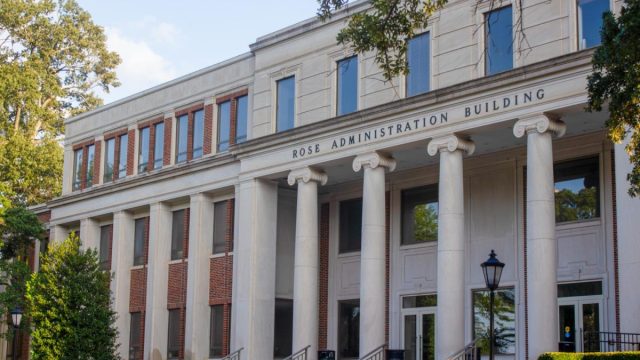
The recent enactment of House Bill 580 has sparked significant debate surrounding the autonomy of academic institutions in the United States. Specifically, the University of Alabama has begun to implement voluntary compliance measures that, while positioned as optional, could create a ripple effect on university governance and academic freedom.
This legislative action has raised critical questions about the role of politics in education, particularly as educational institutions strive to maintain their independence while navigating increasing governmental oversight. For institutions committed to advancing knowledge and expertise, the implications of such interference are profound.
Key Takeaways
- House Bill 580 has prompted new compliance policies at the University of Alabama.
- The measures could create redundant processes, impacting academic efficiency.
- Political interference poses risks to university autonomy and educational integrity.
- There is growing concern about the influence of external politics on academic institutions.
- Discussions regarding university governance and expertise are more relevant than ever.
The Consequences of Compliance Policies
The compliance policies introduced post-House Bill 580 entail more frequent and exhaustive post-tenure reviews, a move seen by many as unnecessary bureaucracy. Such policies can divert attention away from the core mission of educational institutions: fostering learning and research. Instead of focusing on advancing knowledge, valuable resources may be spent ensuring conformity to political mandates.
Impact on Educators and Researchers
Educators at the University of Alabama and similar institutions might find themselves grappling with increased workloads as they undergo additional scrutiny regarding their performance. This added layer of compliance could diminish their ability to engage in meaningful research and teaching, contributing to a culture of fear and compliance rather than one of innovation and inquiry.
Potential Backlash from the Academic Community
As these policies take root, there may be a backlash from faculty and researchers who recognize the long-term implications of such interference. Academic freedom—the ability to explore, teach, and discuss ideas without censorship or political pressure—stands at risk. Stakeholders within the academic community are likely to rally against this trend, advocating for the preservation of university autonomy.
Why This Matters Now
The urgency surrounding this issue is underscored by ongoing discussions concerning the role of education in shaping informed citizens. With political narratives increasingly influencing educational standards, the academic community must remain vigilant. The integrity of educational institutions hinges on their ability to operate independently and resist external pressures that compromise their mission.
In Southeast Asia, including the rapidly developing educational markets in Indonesia (Jakarta, Surabaya, and Bali), the importance of preserving academic freedom is also critical. As these regions grow, the need for universities to maintain their essential role as bastions of knowledge becomes increasingly apparent.
Global Perspectives on Educational Autonomy
Across the globe, similar concerns are emerging as governments grapple with educational oversight while institutions strive to protect their scholarly independence. The dialogue surrounding political interference in higher education is crucial, emphasizing the need for collaborative efforts to address these challenges on a global scale.
Conclusion
As the implications of House Bill 580 unfold, it is clear that political interference in the realm of academia poses significant risks. The discussion surrounding university autonomy and academic freedom demands our attention, as it not only affects educators and researchers but ultimately shapes the quality of education received by students. The future of academic institutions hinges on their ability to resist political pressures and uphold their commitment to expertise and innovation.
 Epic Cinema Awaits: 'Wild Hors
The Impact of Misleading Image
FuelCell Energy Secures Major
Tech Giants Fuel Mistral's Amb
Epic Cinema Awaits: 'Wild Hors
The Impact of Misleading Image
FuelCell Energy Secures Major
Tech Giants Fuel Mistral's Amb